Ever walk into your house and just feel… off?
Low energy. Foggy. Not quite yourself?

It might not be you — it could be your air.

Text that reads, "Mold HAPPENS. Let us handle it for good", with a blue splash background.
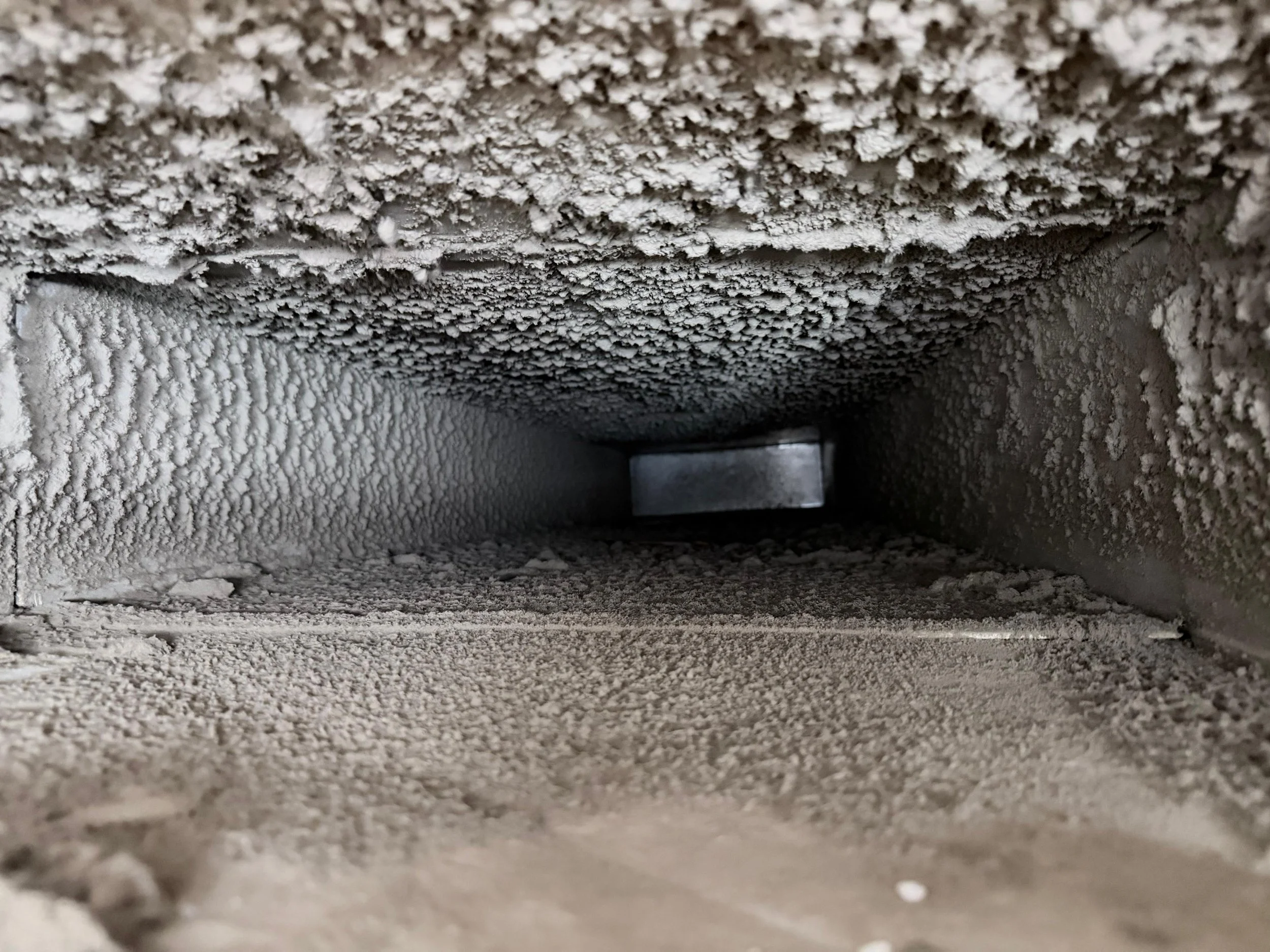
Close-up view of a hollow metal duct or vent with innermost rough and porous surface, possibly coated with dust or debris, and a small metallic rectangular opening at the end of the duct.
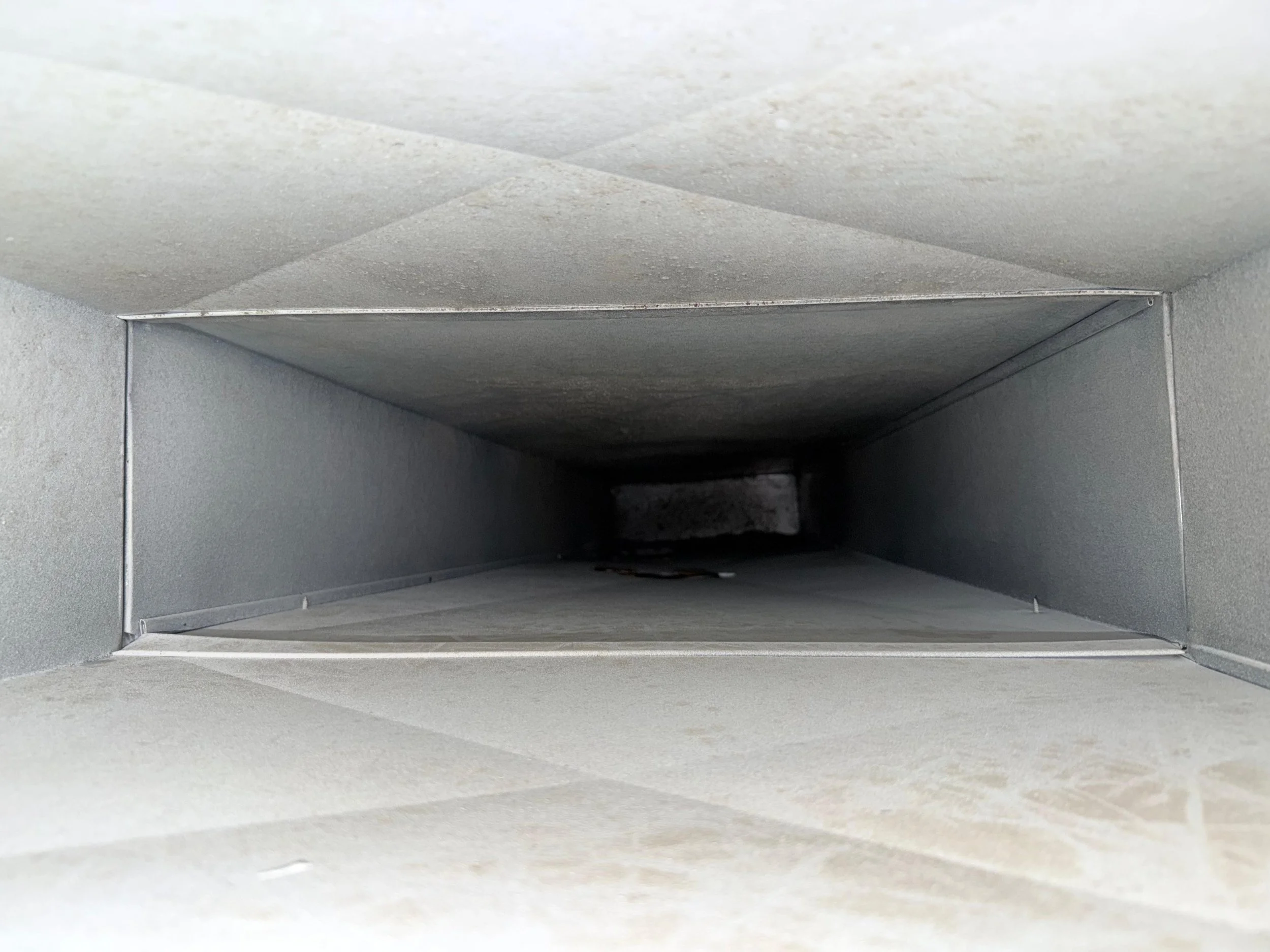
The image shows a view from inside an empty gray paper or cardboard box, looking into it from the open top.

Mold and poor indoor air quality have been linked to symptoms like:

• Brain fog

• Headaches

• Fatigue

• Worsened allergies

• Even increased anxiety in some cases

And the tricky part?
You don’t always see it.

Mold can live:

• Inside ductwork

• Around coils in your HVAC system

• Behind walls or in damp areas
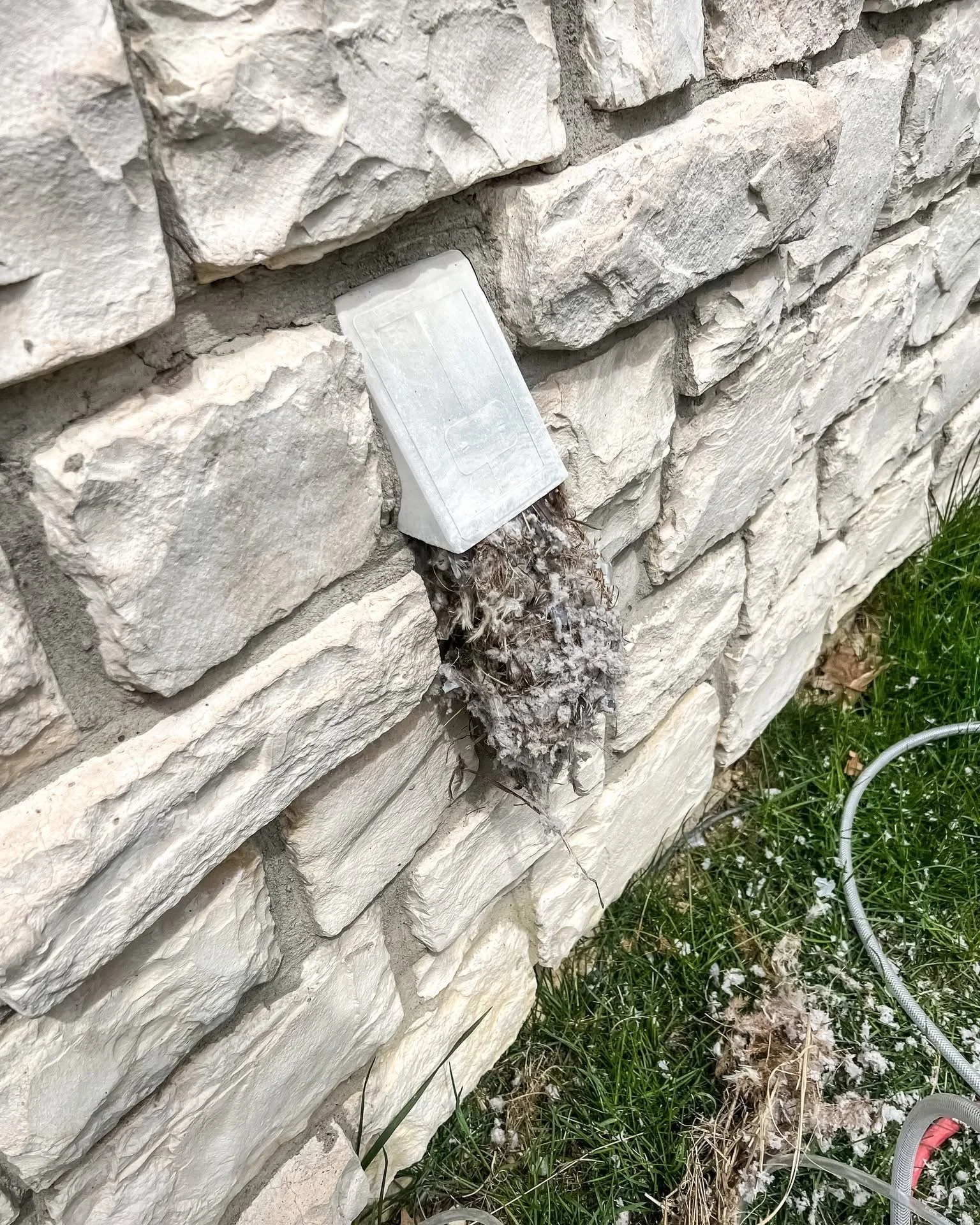
A close-up of a cream-colored stone brick wall with a small gap in the mortar showing debris and a plastic cover in the gap. Grass and a gray hose are visible on the ground outside the wall.
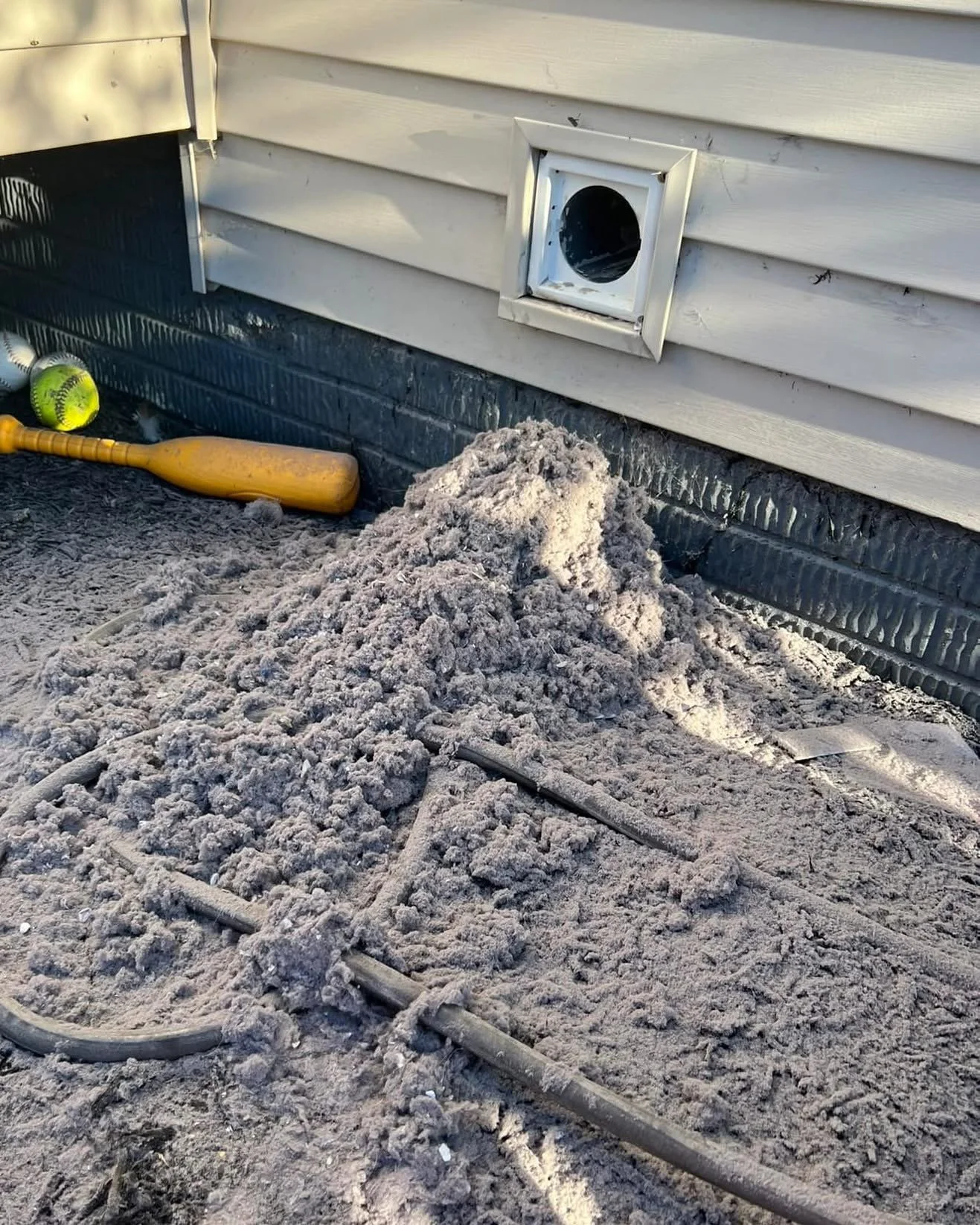
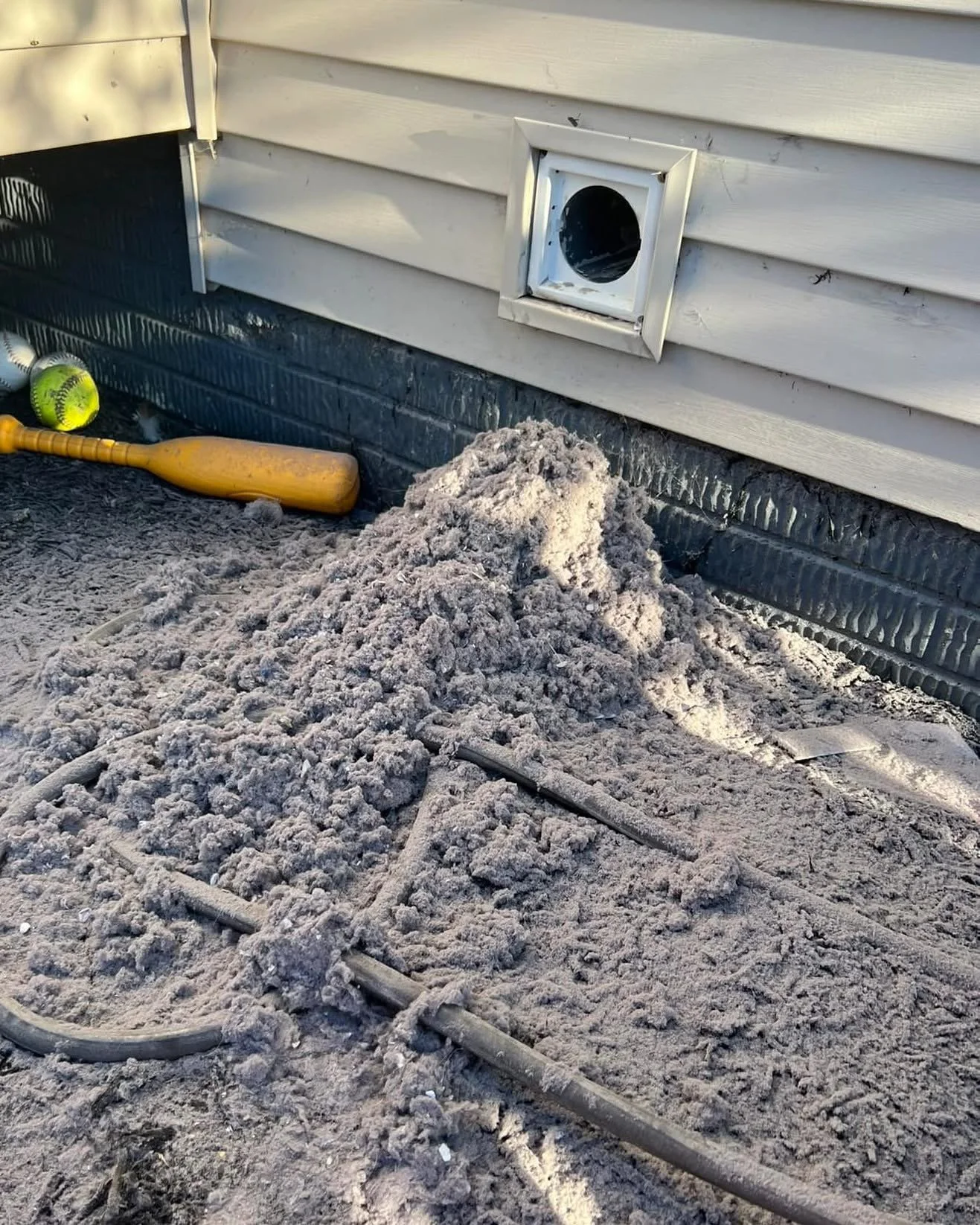
Outside view of a house with a vent in the wall, a shovel lying on a mound of dirt, and various construction tools and cables on the ground.
Graphic with large blue text reading 'SHIT HAPPENS' surrounding a cartoon germ with an angry face, yellow color, and splashes of yellow in the background, with smaller text below reading 'SO WHAT CAN YOU ACTUALLY DO ABOUT IT?'

So what can you actually do about it?

One of the most effective upgrades right now is UV light installation inside your HVAC system.

UV lights work by:

• Killing mold, bacteria, and airborne contaminants at the source

• Keeping your HVAC system cleaner

• Improving overall air quality throughout your home

It targets the exact spot where mold and bacteria grow—making it one of the most effective ways to control what’s circulating through your system. For best results, pair it with an air duct cleaning to remove existing buildup first.
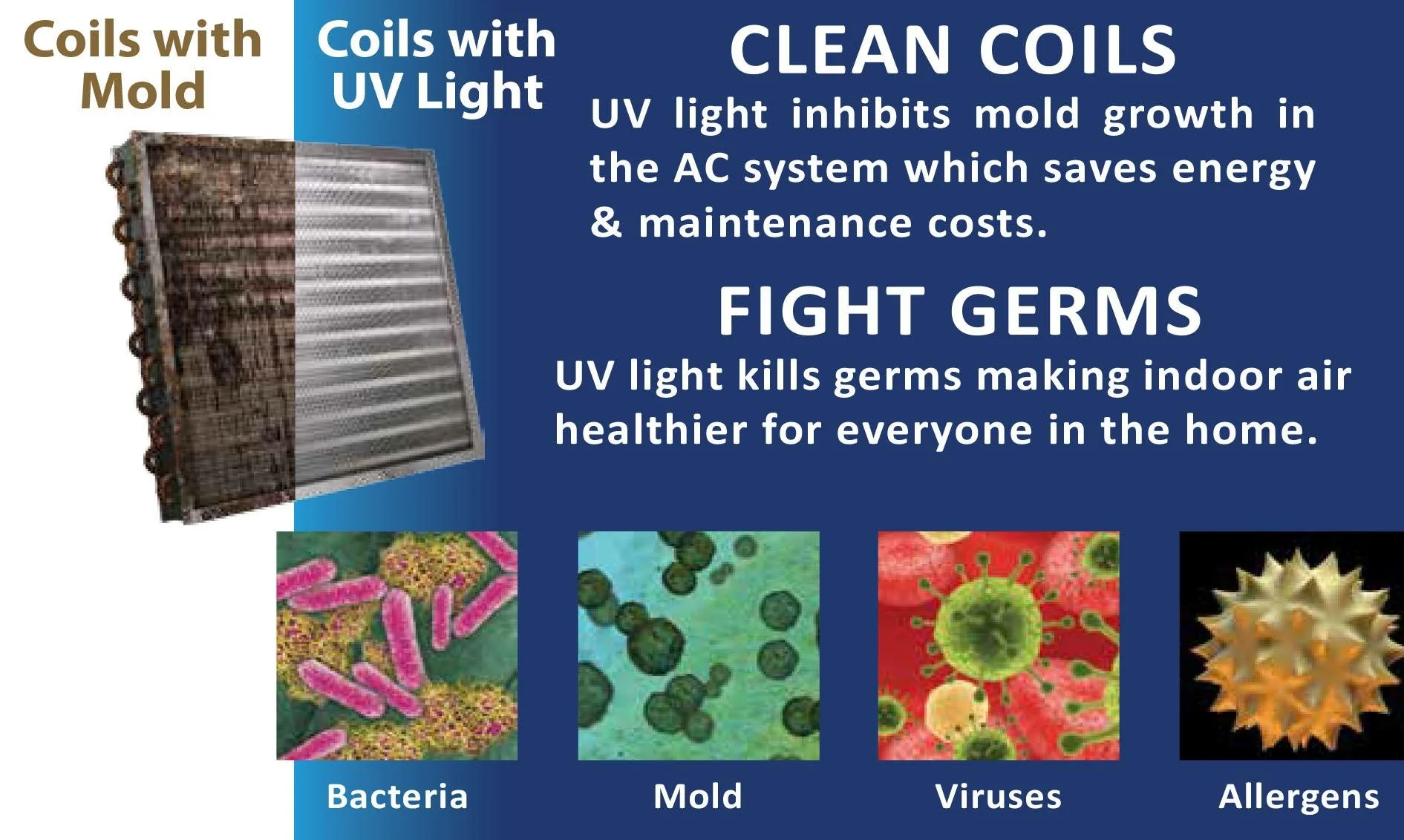
Diagram showing how UV light and clean coils help fight germs like bacteria, mold, viruses, and allergens in HVAC systems. The left side of the image features a dirty coil with mold, while the right side shows a clean coil. The diagram includes images of bacteria, mold, viruses, and allergens as examples of germs.

If you’re questioning your air at all, it’s worth checking—especially before it turns into a bigger issue.

Reach out today for a complimentary quote.